
Prevention of Hepatitis B Infection and Universal Precautions
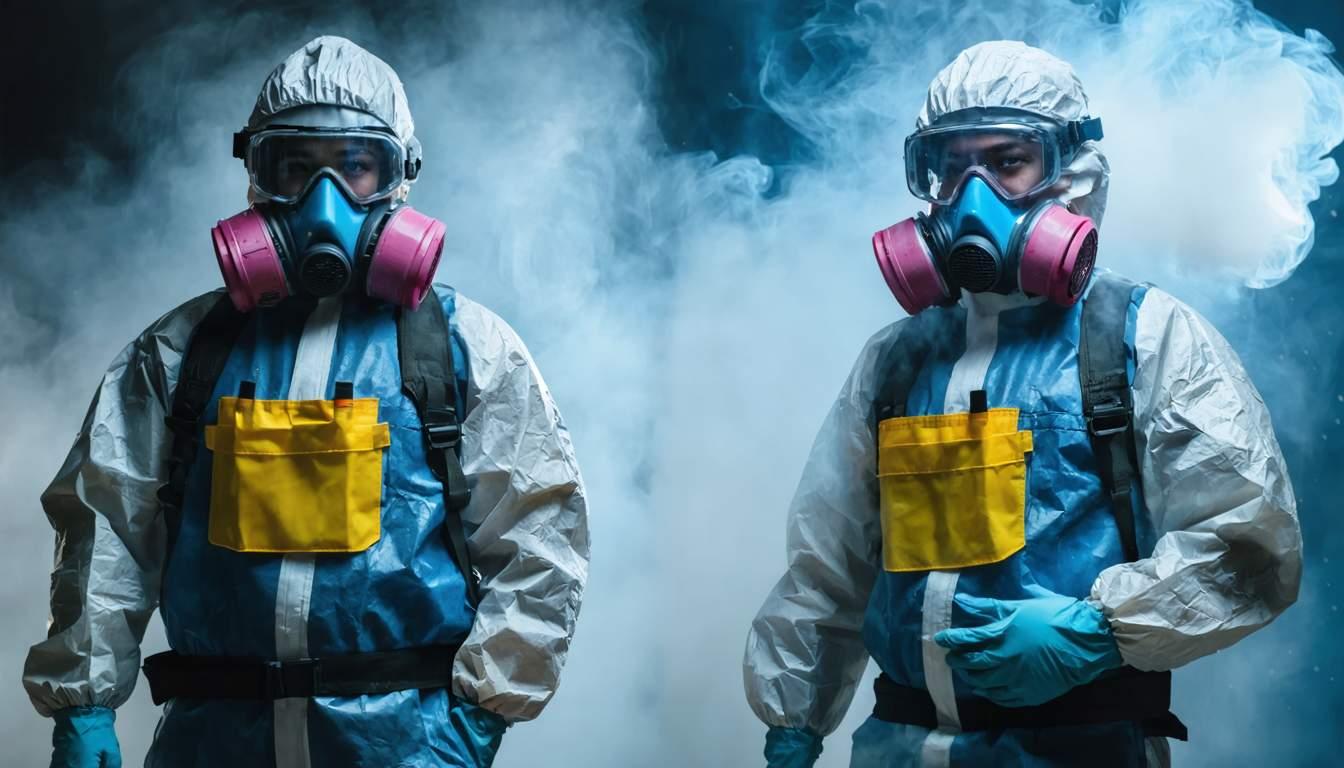
Personal protective equipment (PPE) usage
Hepatitis B infection prevention involves strict adherence to universal precautions, including the correct usage of personal protective equipment (PPE).

Prevention of Hepatitis B Infection and Universal Precautions
Personal Protective Equipment (PPE) Usage
Hepatitis B virus (HBV) is a serious infectious disease affecting the liver, transmitted through blood and bodily fluids. Healthcare professionals must take universal precautions to prevent infection, with proper use of personal protective equipment (PPE) being a key measure.
Importance of PPE
PPE serves as a protective barrier against exposure to infectious agents, reducing the risk of HBV transmission in medical and laboratory settings.
Types of PPE for Hepatitis B Prevention
- Gloves: Prevent direct contact with blood, bodily fluids, and contaminated surfaces.
- Face Shields & Goggles: Protect mucous membranes from accidental splashes.
- Gowns & Aprons: Act as barriers against fluid contamination.
- Masks & Respirators: Reduce exposure from respiratory droplets containing HBV.
Proper PPE Usage and Disposal
- Always inspect PPE for damage before use.
- Follow protocols for donning and doffing PPE.
- Dispose of single-use PPE in designated medical waste containers.
- Sanitize reusable PPE properly after each use.
Additional Precautions
- Vaccination: All healthcare workers should receive the HBV vaccine.
- Hand Hygiene: Washing hands frequently and using alcohol-based sanitizers.
- Safe Needle Practices: Using safety-engineered devices and disposing of sharps correctly.
By implementing universal precautions and utilizing PPE effectively, healthcare professionals can significantly reduce the transmission of hepatitis B virus, ensuring a safer working environment.
Tags
Recommended Reads
Explore related articles that might interest you

Prevention of Hepatitis B Infection and Universal Precautions

Prevention of Hepatitis B Infection and Universal Precautions

Prevention of Hepatitis B Infection and Universal Precautions
Fundamentals of Infection Control

Infection Control Practices and Use of Personal Protective Equipment (PPE)

Methods of Sterilization and Disinfection and Their Applications in Laboratory, Clinical, and Surgical Settings