Pharmacological Management of Acute Diarrheal Diseases
Probiotics: Mechanism, Efficacy, and Role in Restoring Gut Microbiota
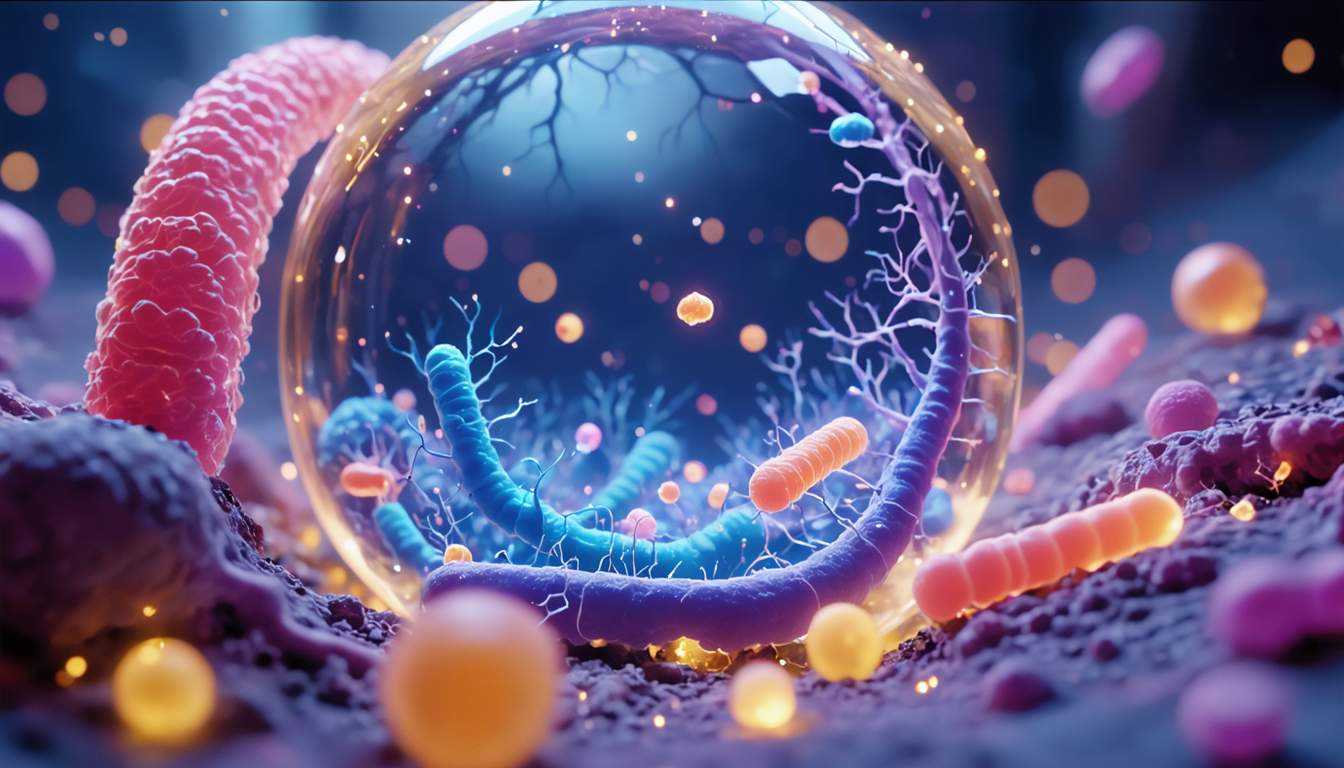
Probiotics help restore gut microbiota and serve as a beneficial adjunct in treating acute diarrheal diseases.
Pharmacological Management of Acute Diarrheal Diseases
Probiotics: Mechanism, Efficacy, and Role in Restoring Gut Microbiota
Acute diarrheal diseases remain a significant global health concern, impacting millions annually. Proper pharmacological interventions, including probiotics, play a vital role in treatment and recovery.
Understanding Acute Diarrheal Diseases
Acute diarrhea is characterized by the sudden onset of frequent, loose, and watery stools, often caused by infections, food poisoning, or medication side effects.
Pharmacological Approach
- Rehydration Therapy: Oral Rehydration Solutions (ORS) and intravenous fluids to restore electrolytes.
- Antimicrobials: Used in bacterial infections such as cholera or shigellosis.
- Antimotility Agents: Loperamide for symptomatic relief.
- Probiotics: Beneficial bacteria supporting gut health and immune response.
Probiotics in Diarrheal Diseases
Probiotics are live microorganisms that confer health benefits when administered appropriately. They help restore microbial balance disrupted during acute diarrhea.
Mechanism of Action
- Restores gut microbiota
- Produces antimicrobial substances
- Enhances mucosal barrier function
- Modulates immune responses
Efficacy in Treatment
Studies suggest probiotics reduce diarrheal duration and severity, particularly in infectious and antibiotic-associated diarrhea cases.
Conclusion
Probiotics serve as a safe and effective adjunct in treating acute diarrheal diseases, fostering faster recovery and gut microbiota restoration.