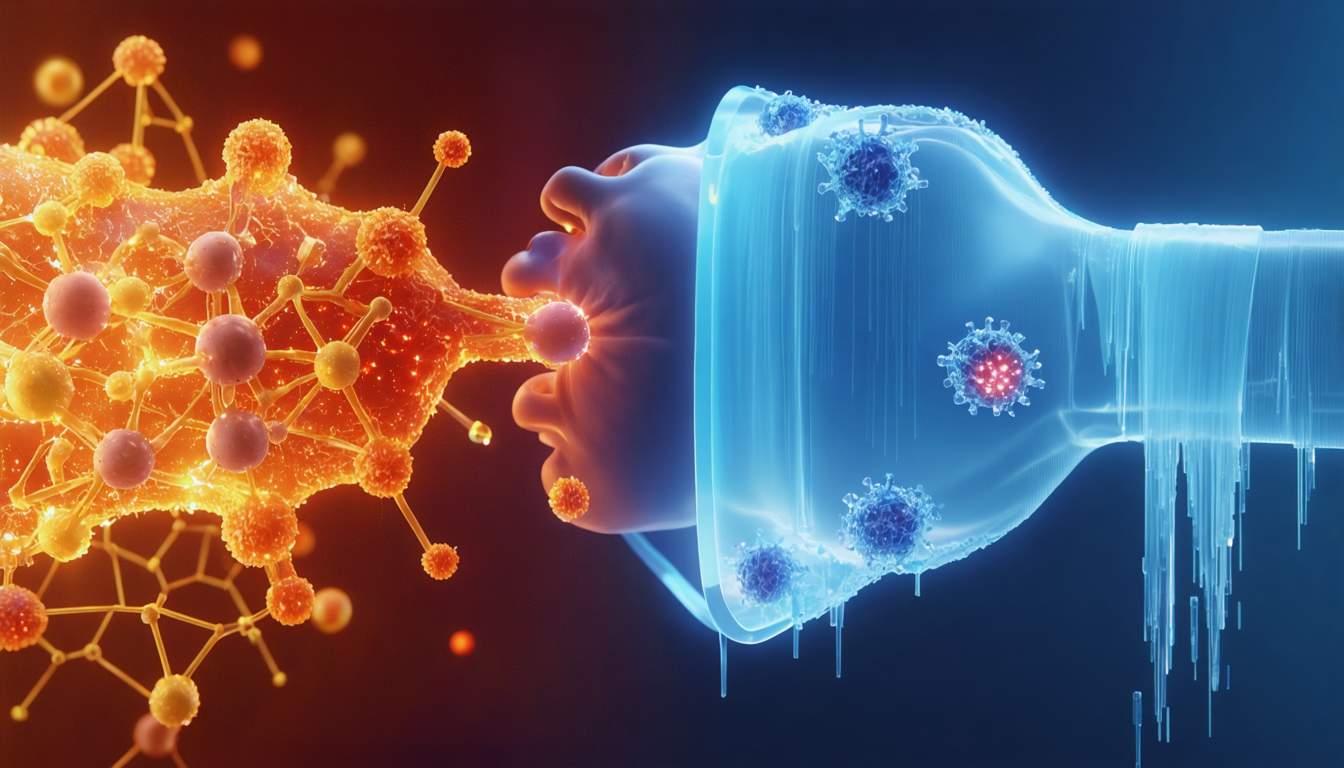
Monitoring of Antimicrobial Therapy
Optimization of Dosing Regimens for Effective Treatment
Optimizing antimicrobial dosing regimens is essential to prevent resistance, minimize toxicity, and ensure treatment efficacy. Effective monitoring strategies include therapeutic drug monitoring, PK/PD considerations, and microbiological surveillance.

Monitoring of Antimicrobial Therapy
Optimization of Dosing Regimens for Effective Treatment
Antimicrobial therapy is a cornerstone of modern medicine, ensuring the effective treatment of infections. However, improper dosing can lead to resistance, toxicity, and treatment failure. This blog explores strategies for optimizing antimicrobial dosing.
Why Monitoring is Crucial?
- Prevention of Drug Resistance: Inappropriate antimicrobial use leads to resistant strains.
- Minimizing Toxicity: Overdosing can harm organs like the liver and kidneys.
- Ensuring Therapeutic Efficacy: Maintaining optimal drug levels in plasma maximizes microbial eradication.
Methods of Monitoring Antimicrobial Therapy
1. Therapeutic Drug Monitoring (TDM)
TDM ensures that drug concentrations remain within therapeutic windows, preventing underdosing and toxicity.
2. Pharmacokinetics/Pharmacodynamics (PK/PD) Considerations
Understanding PK/PD principles helps optimize regimens based on absorption, distribution, metabolism, and elimination of drugs.
3. Microbiological Surveillance
Routine bacterial cultures help track antimicrobial susceptibility patterns, guiding appropriate drug selection.
Best Practices for Optimizing Dosing Regimens
- Use weight-based dosing for precision.
- Consider renal and hepatic function before prescribing.
- Implement de-escalation strategies to reduce broad-spectrum antibiotic exposure.
- Utilize combination therapy when needed to prevent resistance.
Conclusion
Proper monitoring and optimization of antimicrobial therapy enhance treatment efficacy, mitigate drug resistance, and protect patient health. Clinicians must adopt evidence-based strategies to ensure responsible antimicrobial use.
Tags
Recommended Reads
Explore related articles that might interest you

Monitoring of Antimicrobial Therapy

Fundamentals of Evidence-Based Medicine and Therapeutic Drug Monitoring
Fundamental Principles of Geriatric and Pediatric Pharmacology
General Principles of Mechanism of Action of Drugs

Acute Parasitic Disease (APD)—Considerations for Causative Agents in Treatment

Monitoring of Antimicrobial Therapy