Mechanism of Action of Neuromuscular Blocking Agents
Reversal Agents and Management of Toxicity
Neuromuscular blocking agents are crucial for inducing muscle relaxation in medical procedures. Their action is reversible using acetylcholinesterase inhibitors or selective binding agents, ensuring safe patient outcomes.
Mechanism of Action of Neuromuscular Blocking Agents
Introduction
Neuromuscular blocking agents (NMBAs) are medications that interfere with neuromuscular transmission, leading to muscle relaxation. They are commonly used in anesthesia, critical care, and various medical procedures.
Mechanism of Action
Competitive vs. Non-Competitive Blockers
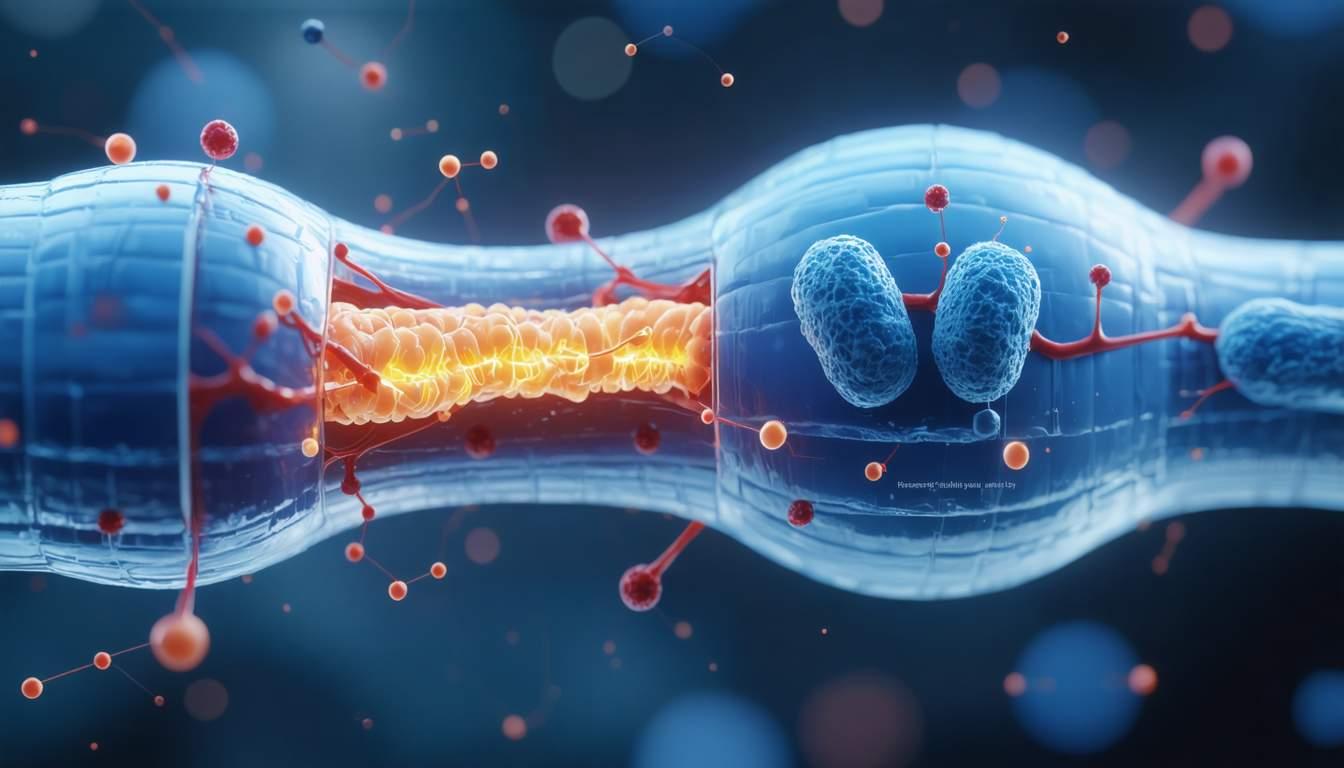
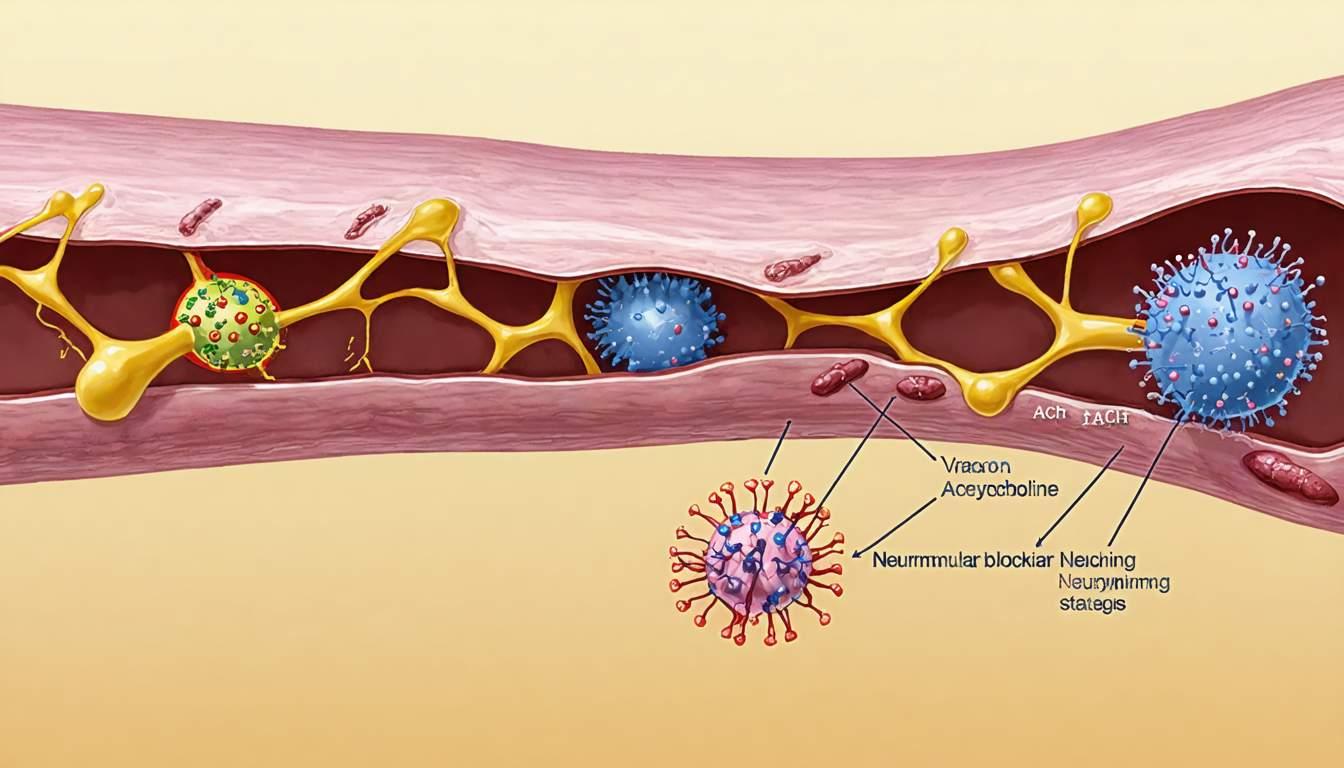
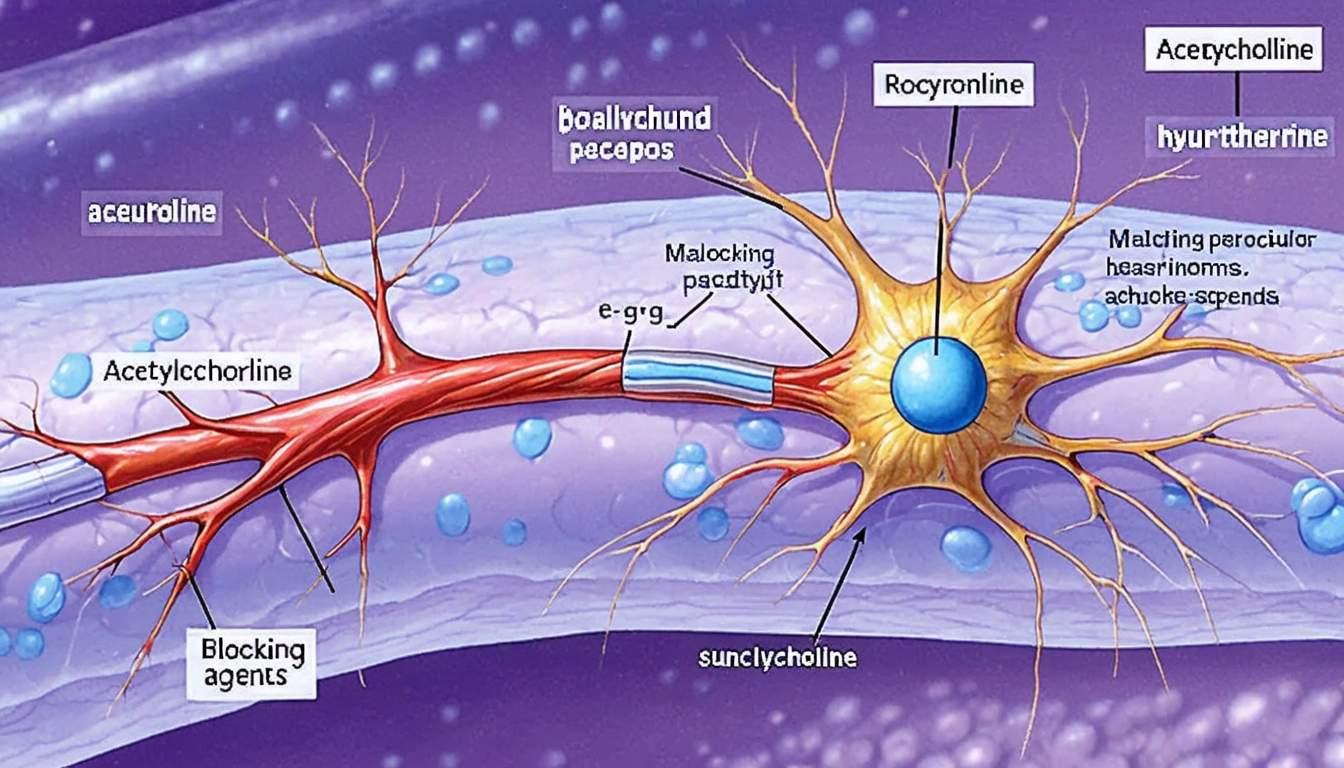
- Non-depolarizing NMBAs: Competitively inhibit acetylcholine at nicotinic receptors.
- Depolarizing NMBAs: Mimic acetylcholine, leading to prolonged depolarization and paralysis.
Pharmacodynamics and Pharmacokinetics
These agents vary in their onset, duration, and metabolism. Common NMBAs include rocuronium, vecuronium, and succinylcholine.
Reversal Agents
Mechanisms of Reversal
- Acetylcholinesterase inhibitors: Increase acetylcholine to outcompete blockers (e.g., neostigmine).
- Selective relaxant binding agents: Directly bind and neutralize NMBAs (e.g., sugammadex).
Management of Toxicity
Toxicity from NMBAs can lead to prolonged paralysis and respiratory depression. Effective management includes monitoring neuromuscular function, supportive care, and appropriate reversal agents.
Conclusion
Neuromuscular blocking agents are essential in modern medicine. Understanding their action and reversal mechanisms ensures safe and effective patient care.
Tags
Recommended Reads
Explore related articles that might interest you
Mechanism of Action of Neuromuscular Blocking Agents
Mechanism of Action of Neuromuscular Blocking Agents
Mechanism of Action of Neuromuscular Blocking Agents
Mechanism of Action of Neuromuscular Blocking Agents
Mechanism of Action of Neuromuscular Blocking Agents
Mechanism of Action of Neuromuscular Blocking Agents