
Pharmacological treatment of diarrhea: indications and side effects
Drugs for bacterial diarrhea: mechanism of action, indications, and side effects
Pharmacological treatment of bacterial diarrhea involves antibiotics, antimotility agents, and adsorbents. Proper drug selection is crucial to minimize side effects and ensure effective pathogen eradication.

Pharmacological Treatment of Diarrhea: Indications and Side Effects
Drugs for Bacterial Diarrhea: Mechanism of Action, Indications, and Side Effects
Diarrhea is a common gastrointestinal condition that can be caused by infections, dietary factors, or underlying medical conditions. When bacterial infections are the culprit, pharmacological treatment is often necessary to alleviate symptoms and eradicate the pathogen.
Mechanism of Action of Antibacterial Agents
Drugs used to treat bacterial diarrhea work through various mechanisms:
- Antibiotics: Target and eliminate bacterial pathogens by inhibiting cell wall synthesis (e.g., beta-lactams), protein synthesis (e.g., macrolides), or DNA replication (e.g., fluoroquinolones).
- Antimotility Agents: Reduce intestinal motility to decrease stool frequency, but are contraindicated in infectious diarrhea.
- Adsorbents: Bind bacterial toxins and excess fluids to reduce diarrhea severity.
Indications for Pharmacological Treatment
Pharmacological intervention is indicated in cases of:
- Severe bacterial diarrhea with dehydration risk
- Traveler’s diarrhea caused by enterotoxigenic Escherichia coli (ETEC)
- Diarrhea associated with Clostridioides difficile infection
- Persistent diarrhea in immunocompromised patients
Commonly Used Drugs and Their Side Effects
Fluoroquinolones (e.g., Ciprofloxacin, Levofloxacin)
- Mechanism: Inhibit bacterial DNA gyrase, preventing replication.
- Side Effects: Nausea, tendon rupture, QT prolongation.
Macrolides (e.g., Azithromycin)
- Mechanism: Inhibit bacterial protein synthesis.
- Side Effects: Gastrointestinal upset, hepatotoxicity.
Metronidazole (for C. difficile infection)
- Mechanism: Disrupts bacterial DNA synthesis.
- Side Effects: Metallic taste, neuropathy, disulfiram-like reaction with alcohol.
Conclusion
Pharmacological treatment of bacterial diarrhea should be guided by clinical severity, pathogen identification, and patient-specific factors. While antibiotics are effective, their use should be judicious to prevent resistance and adverse effects.
Tags
Recommended Reads
Explore related articles that might interest you

Pharmacological management of bacterial, viral, and other types of diarrhea

Pharmacological Treatment of Diarrhea

Pharmacological Treatment of Diarrhea

Indications, mechanisms of action, and adverse effects of antidiarrheal drugs
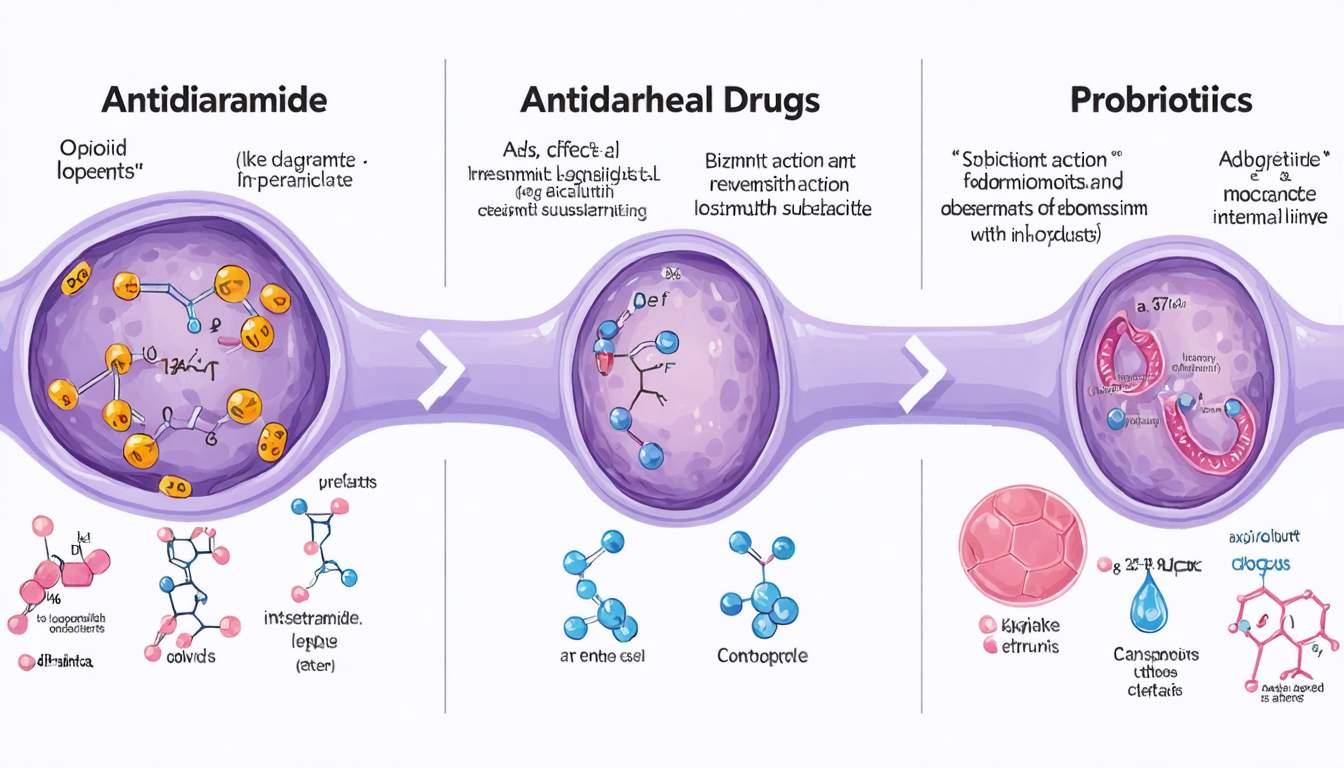
Indications, mechanisms of action, and adverse effects of antidiarrheal drugs

Etiology, clinical manifestations, and treatment of dysentery in children