
Common Etiologic Agents of Diarrhea and Dysentery
Management and treatment: Antibiotics, rehydration therapy, probiotics, supportive care
Diarrhea and dysentery are caused by bacterial, viral, and parasitic infections. Treatment includes antibiotics, rehydration therapy, probiotics, and supportive care.

Common Etiologic Agents of Diarrhea and Dysentery
Introduction
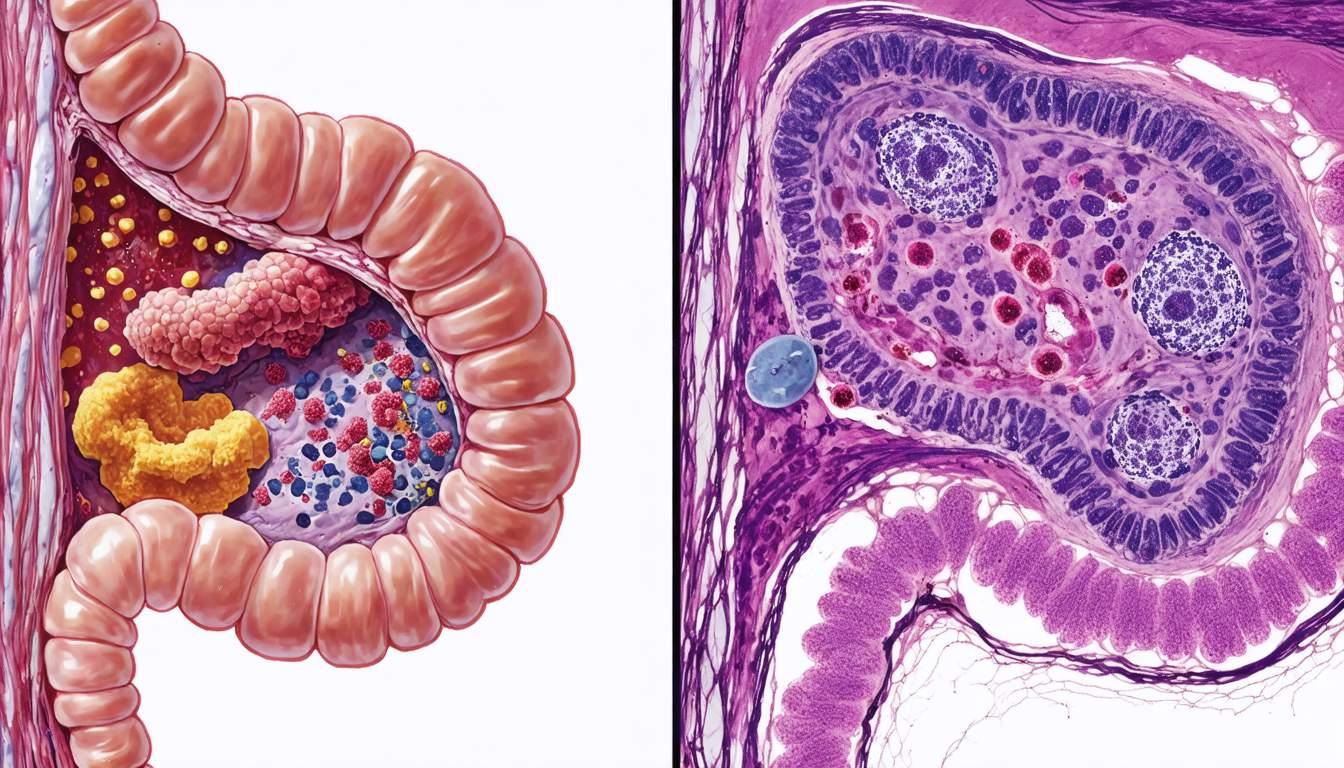
Diarrhea and dysentery are common gastrointestinal disorders affecting millions worldwide. These conditions can result from infectious agents, including bacteria, viruses, and parasites.
Etiologic Agents
Bacterial Causes
- Escherichia coli (E. coli): Certain strains, such as ETEC and EHEC, cause severe diarrhea.
- Salmonella: A leading cause of foodborne illness, often linked to contaminated food.
- Shigella: A primary agent of dysentery causing bloody diarrhea.
Viral Causes
- Rotavirus: A major cause of pediatric diarrhea.
- Norovirus: Responsible for outbreaks of severe diarrhea.
Parasitic Causes
- Giardia lamblia: Causes prolonged diarrhea and malabsorption.
- Entamoeba histolytica: Associated with dysentery and liver abscess.
Management and Treatment
Antibiotic Therapy
Antibiotics are prescribed based on causative agents. Common choices include:
- Ciprofloxacin and Azithromycin for bacterial infections.
- Metronidazole for parasitic infections.
Rehydration Therapy
Oral Rehydration Solution (ORS) helps replenish lost fluids and electrolytes.
Probiotics
Probiotic supplements support gut health and recovery.
Supportive Care
Includes dietary modifications, adequate hydration, and avoiding trigger foods.
Conclusion
Understanding the causative agents and treatment options for diarrhea and dysentery is crucial in effective management and prevention.
Tags
Recommended Reads
Explore related articles that might interest you

Common Etiologic Agents of Diarrhea and Dysentery

Common Etiologic Agents of Diarrhea and Dysentery

Differences Between Diarrhea and Dysentery

Common Etiologic Agents of Diarrhea and Dysentery
Differences Between Diarrhea and Dysentery

Comprehensive History Taking in General Medicine