
Common toxins that inhibit key enzymes of carbohydrate metabolism
Arsenic poisoning and its inhibition of pyruvate dehydrogenase
Arsenic poisoning leads to the inhibition of pyruvate dehydrogenase, disrupting carbohydrate metabolism and causing severe clinical symptoms. Early treatment is essential for managing toxicity.
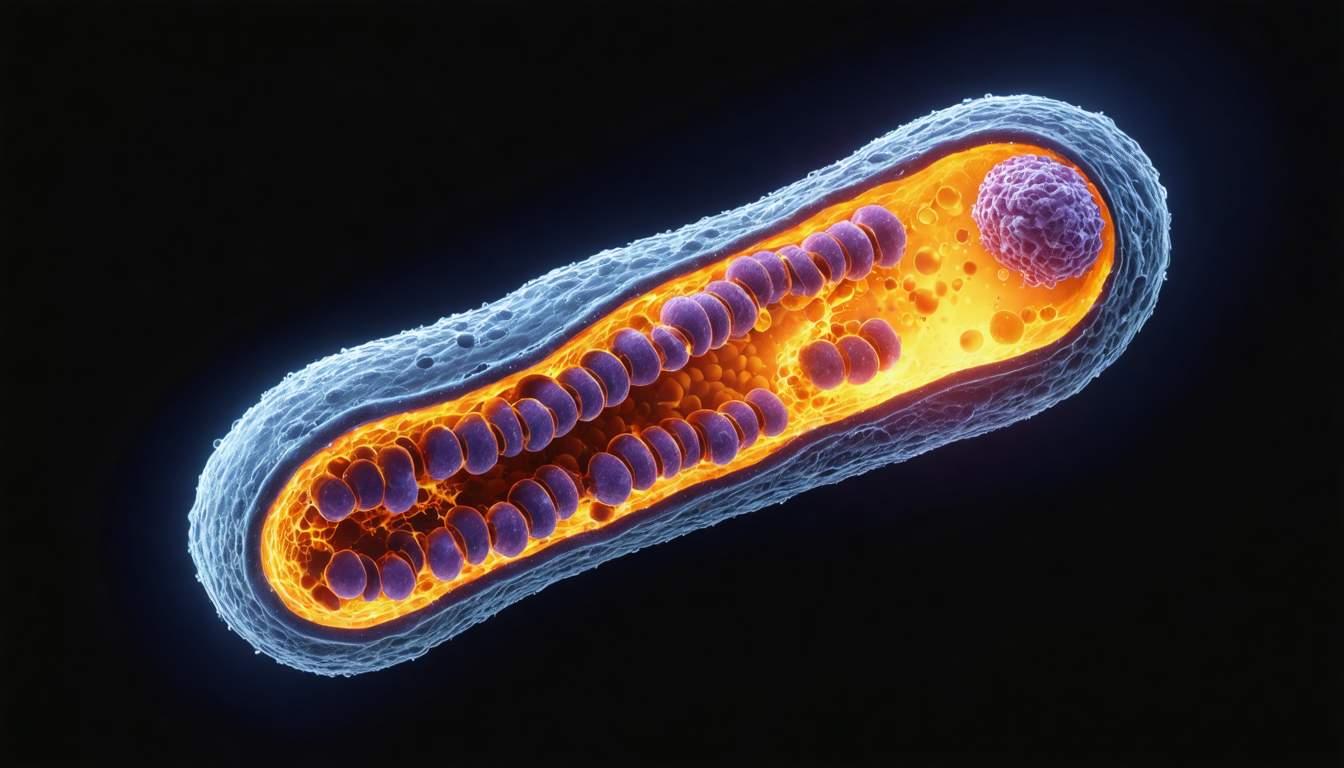
Common Toxins That Inhibit Key Enzymes of Carbohydrate Metabolism
Arsenic Poisoning and Its Inhibition of Pyruvate Dehydrogenase
Arsenic, a notorious environmental toxin, has profound effects on cellular metabolism. One of its primary mechanisms of toxicity is the inhibition of pyruvate dehydrogenase (PDH), a crucial enzyme in carbohydrate metabolism.
Mechanism of Inhibition
Arsenic exists in various forms, but arsenite (As3+) is particularly harmful due to its ability to bind with lipoic acid, an essential cofactor of PDH. This binding disrupts the enzyme's function, leading to impaired energy production.
Clinical Manifestations
- Neurological symptoms such as confusion and peripheral neuropathy
- Cardiovascular instability due to lactic acidosis
- Gastrointestinal distress including vomiting and diarrhea
Treatment and Management
Managing arsenic poisoning requires prompt intervention. Chelation therapy with agents like dimercaprol or succimer can help in arsenic removal. Supportive treatments such as hydration and correction of metabolic disturbances are also vital.
Tags
Recommended Reads
Explore related articles that might interest you

Properties of cardiac muscle, including its morphology, electrical activity, mechanical function, and metabolic characteristics

Metabolic processes in specific organs during fed and fasting states

Physiological Effects of Sex Hormones

Gastric function tests
Differentiation of the Blood Vascular and Lymphatic Systems

Strength-Duration Curve