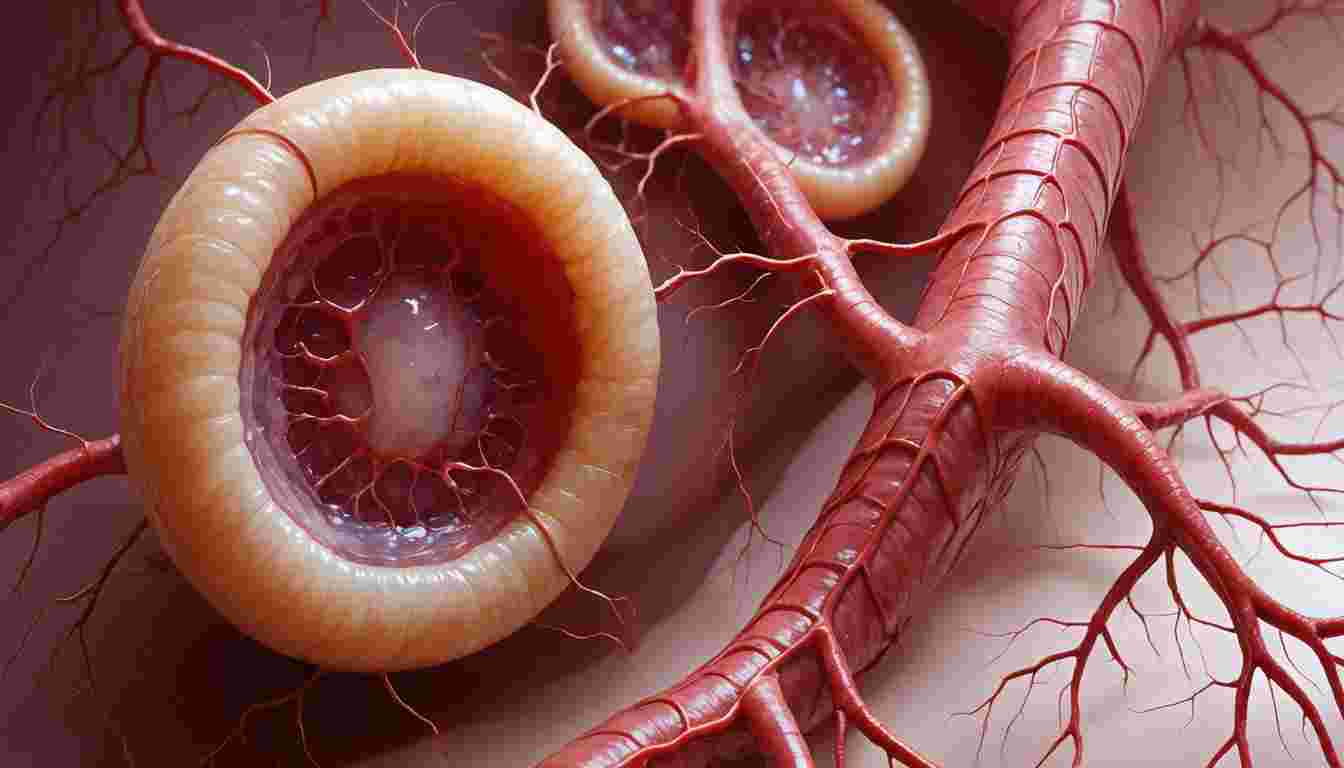
Anatomical Basis of Varicocele
Implications of Varicocele on Testicular Function and Fertility
Varicocele is a common cause of male infertility characterized by dilated veins in the spermatic cord. It impacts testicular function, potentially leading to hormonal imbalances and reduced sperm quality.
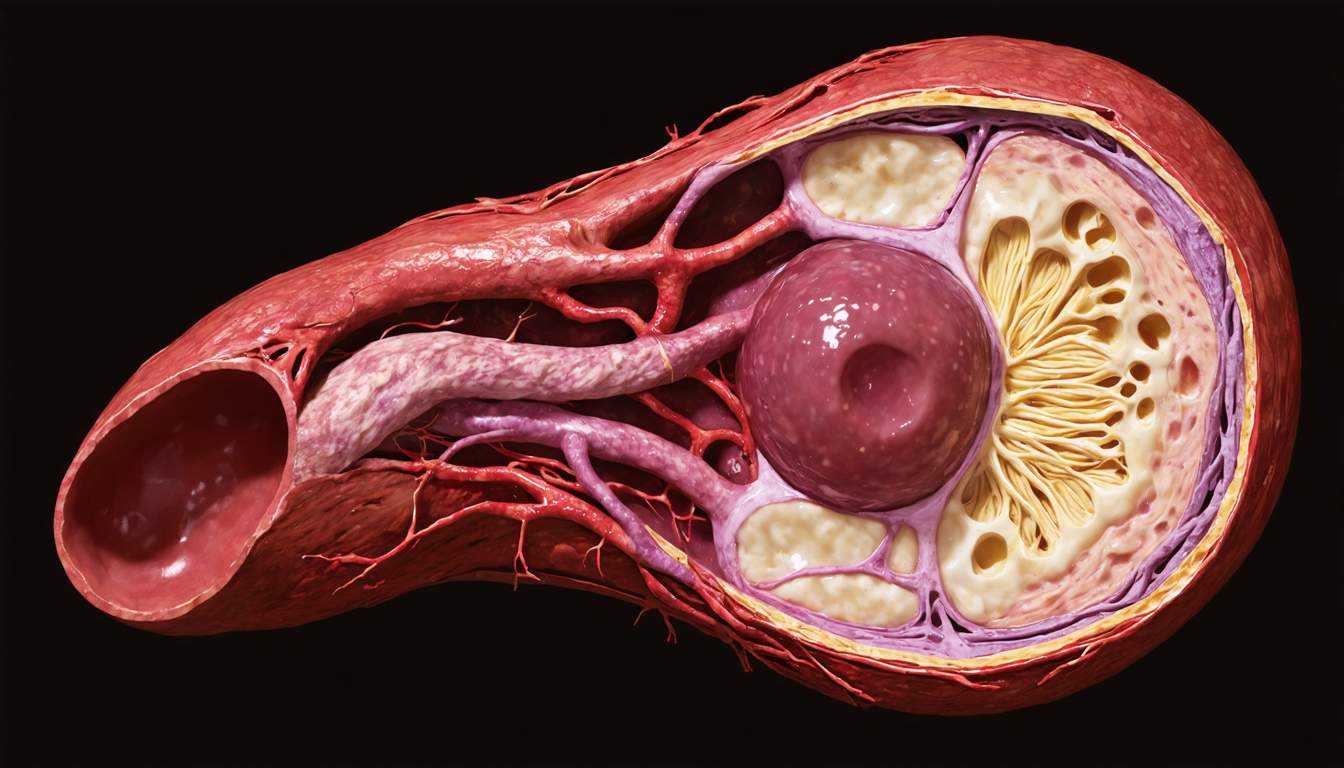
Anatomical Basis of Varicocele
Implications on Testicular Function and Fertility
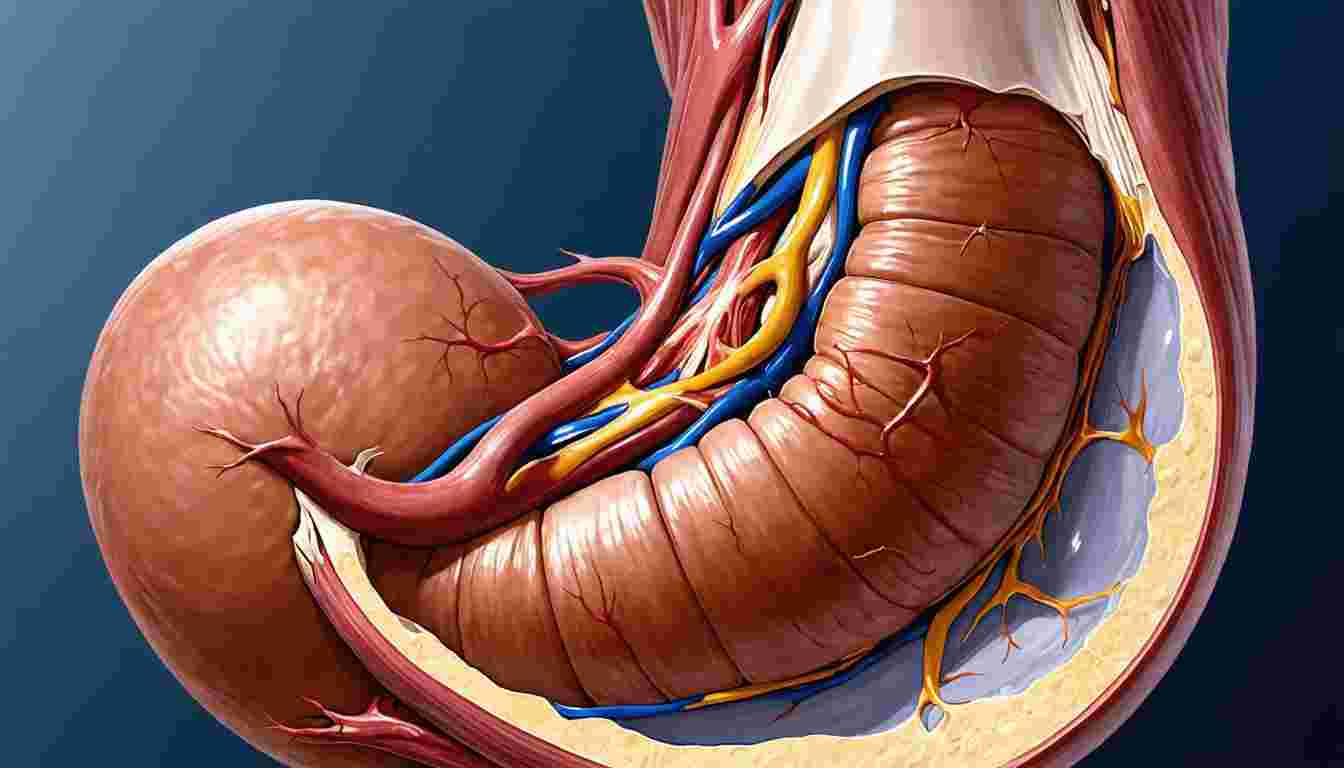
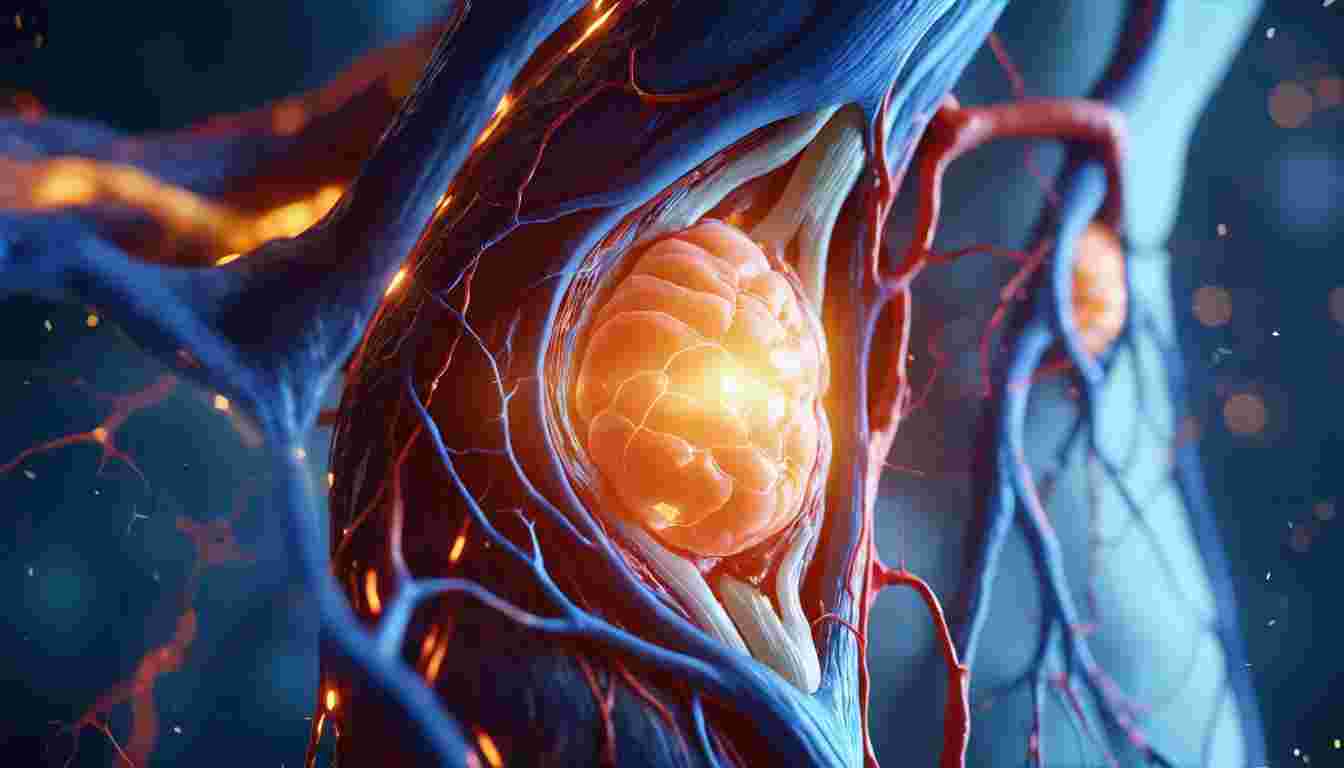
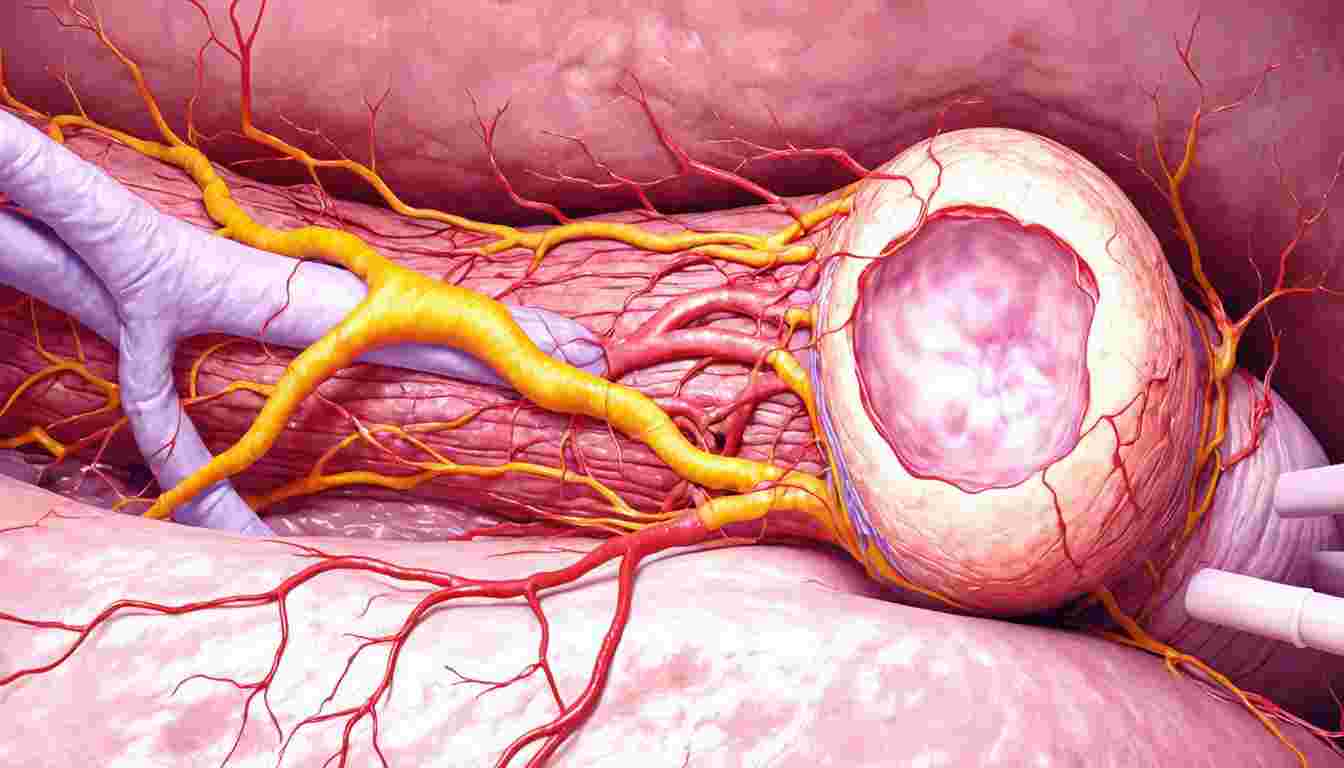
Varicocele is a condition characterized by the abnormal dilation of the pampiniform venous plexus in the spermatic cord. It is a common cause of male infertility and can impact testicular function due to increased scrotal temperature and oxidative stress.
Anatomical Considerations
The pampiniform plexus plays a critical role in thermoregulation of the testes. Varicocele is predominantly seen on the left side due to the venous drainage pattern of the testicular vein into the left renal vein, which lacks an effective valve mechanism.
Clinical Significance
- Testicular Atrophy: Chronic varicocele may lead to testicular shrinkage.
- Hormonal Imbalances: Disrupted endocrine function due to venous congestion.
- Reduced Sperm Quality: Increased scrotal temperature and oxidative stress impair spermatogenesis.
Management Strategies
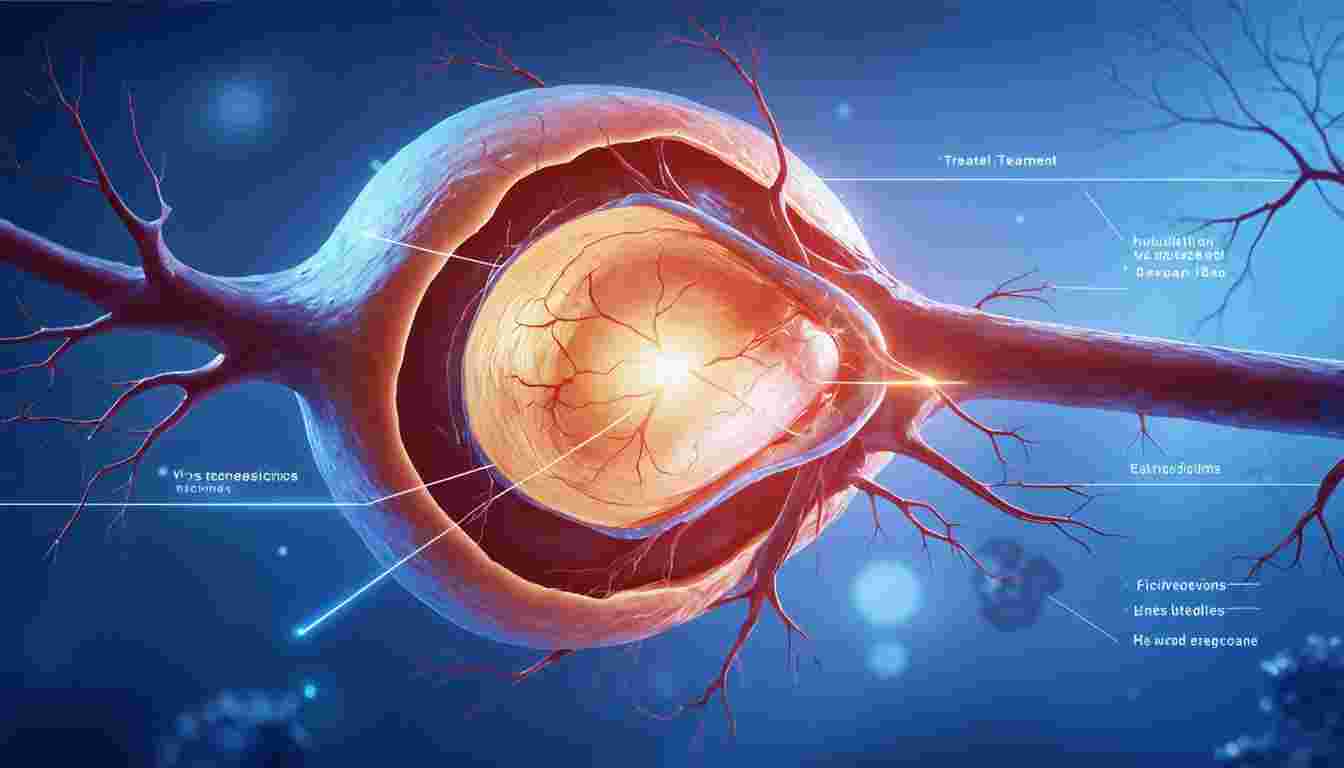
Depending on the severity, management may involve conservative measures such as lifestyle modifications, surgical intervention via varicocelectomy, or embolization techniques.
Tags
Recommended Reads
Explore related articles that might interest you
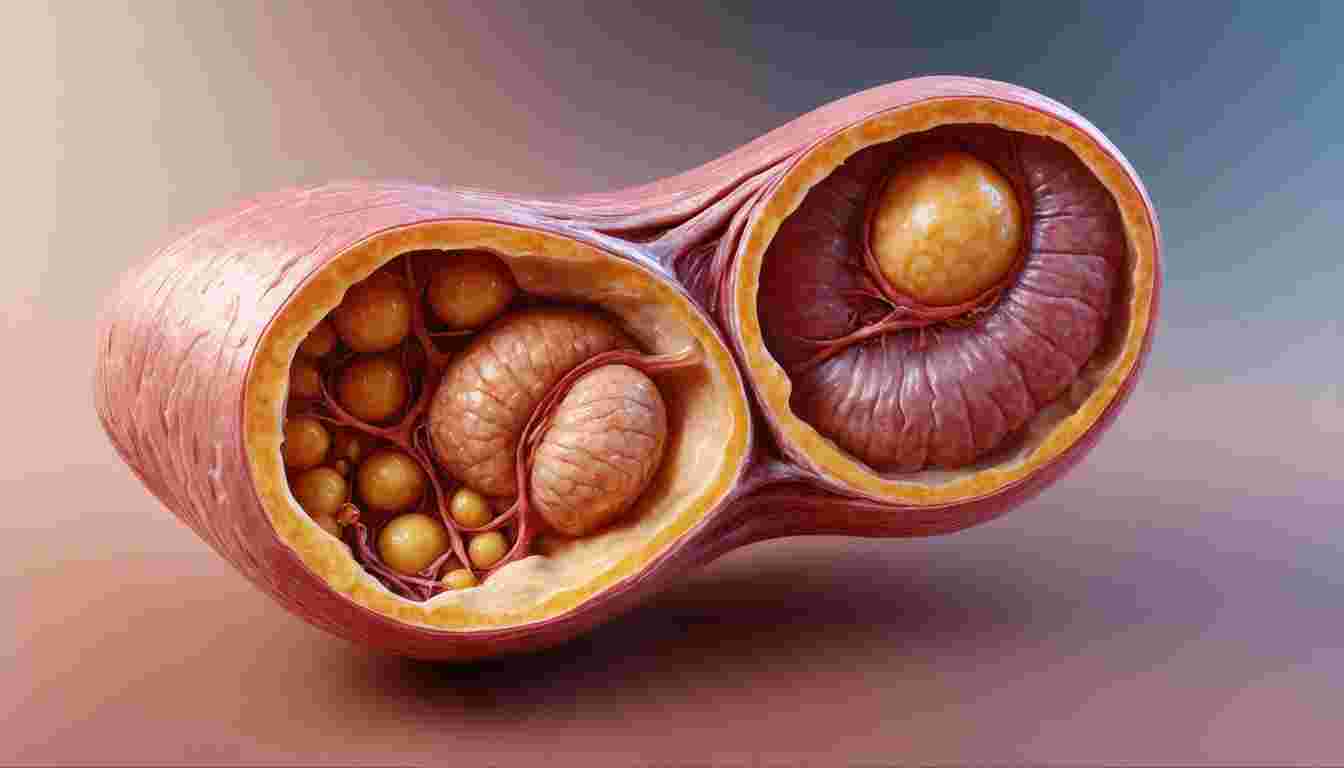
Varicocele
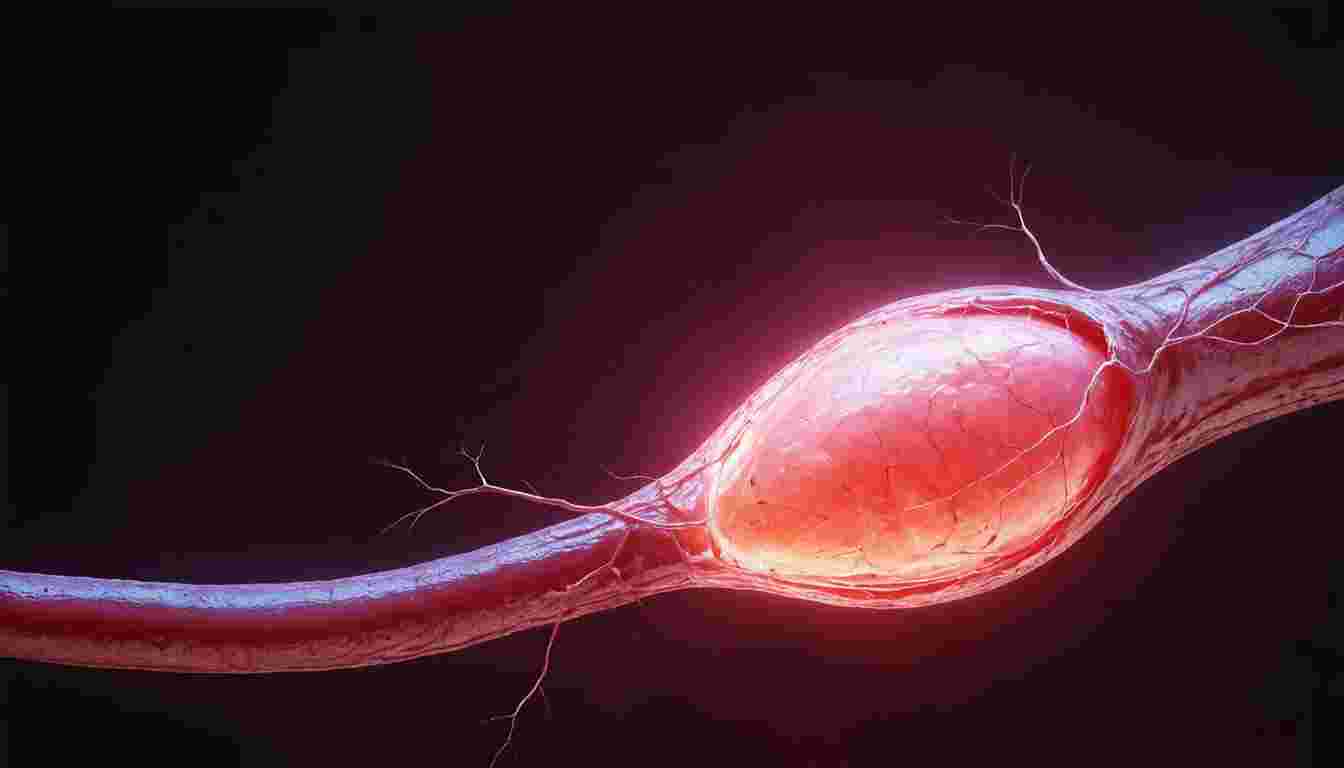
Anatomical Basis of Varicocele
Varicocele
Varicocele
Varicocele
Varicocele